IndexNow in 2026: What Yandex, Bing, and Naver Actually Index
An engineering-grade analysis of IndexNow protocol performance, latency metrics, and indexation rates across Bing, Yandex, and Naver in 2026.
Blog / Engineering
Architecture, pipeline, and system-design notes from building and operating the Neo Genesis stack. 27 posts.
← All posts
An engineering-grade analysis of IndexNow protocol performance, latency metrics, and indexation rates across Bing, Yandex, and Naver in 2026.

An idempotent content pipeline ensures reliable, scalable, and cost-effective AI-generated content by guaranteeing consistent output regardless of retry attempts or system state.


This article details the engineering principles and operational strategies enabling autonomous, staging-less deployments for AI-native SaaS, focusing on robust automation, real-time observability, and progressive delivery to ensure production stability and accelerate innovation.

This post details Neo Genesis's 2026 methodology for evaluating large language model citation quality, focusing on precision, recall, and factual grounding across four major AI providers, leveraging 1.5 million generated responses.

This article details Neo Genesis's RAG Master Design v1, an architecture combining local PC processing with a distributed retrieval fleet to optimize for low-latency, high-recall retrieval in AI-native applications for solo operators.

This post details the engineering significance of Neo Genesis datasets being accepted into five prominent 'awesome lists,' reaching an approximate combined audience of 60,000 developers and researchers.

Neo Genesis has submitted two engineering papers to NeurIPS 2026, detailing novel approaches to ethical AI alignment with EthicaAI Melting Pot Mixed-Safe and robust LLM validation through WhyLab Gemini 2.5 Docker Validation.

This article details the engineering and operational aspects behind Neo Genesis's three new HuggingFace Spaces, designed for Korean RAG, multi-agent review, and interactive Wikidata knowledge graph exploration.

Neo Genesis has systematically constructed a 13-entity Wikidata knowledge graph with 395 statements to enhance its autonomous AI operations, improve data consistency, and enable advanced semantic reasoning across its 11 SaaS products.

Neo Genesis has open-sourced its core repository and released eight distinct, high-quality datasets on Hugging Face, advancing transparent AI research and fostering community-driven development.

This analysis provides a data-driven framework for identifying the most cost-effective over-the-top (OTT) service combinations in Korea for 2026, considering content libraries, pricing models, and specific user viewing patterns to maximize value.

2026년 한국 OTT 시장에서 개인의 콘텐츠 소비 패턴에 맞는 가장 효율적인 구독 조합을 데이터 기반으로 분석합니다. 월 평균 15,000원 이상의 비용 절감과 시청 만족도 향상을 목표로 합니다.

Reinforcement Learning from AI Feedback (RLAIF) is a critical strategy for enhancing the autonomy and performance of AI-powered SaaS automation systems by integrating continuous, structured AI-driven evaluation loops.

Choosing a causal inference tool requires a methodical evaluation of its theoretical foundations, data integration capabilities, scalability, and interpretability against your specific research questions and operational context.

Effective comparison of modern DevOps platforms like Vercel and Netlify requires a structured methodology focusing on performance, scalability, cost, and developer experience, rather than superficial feature lists.

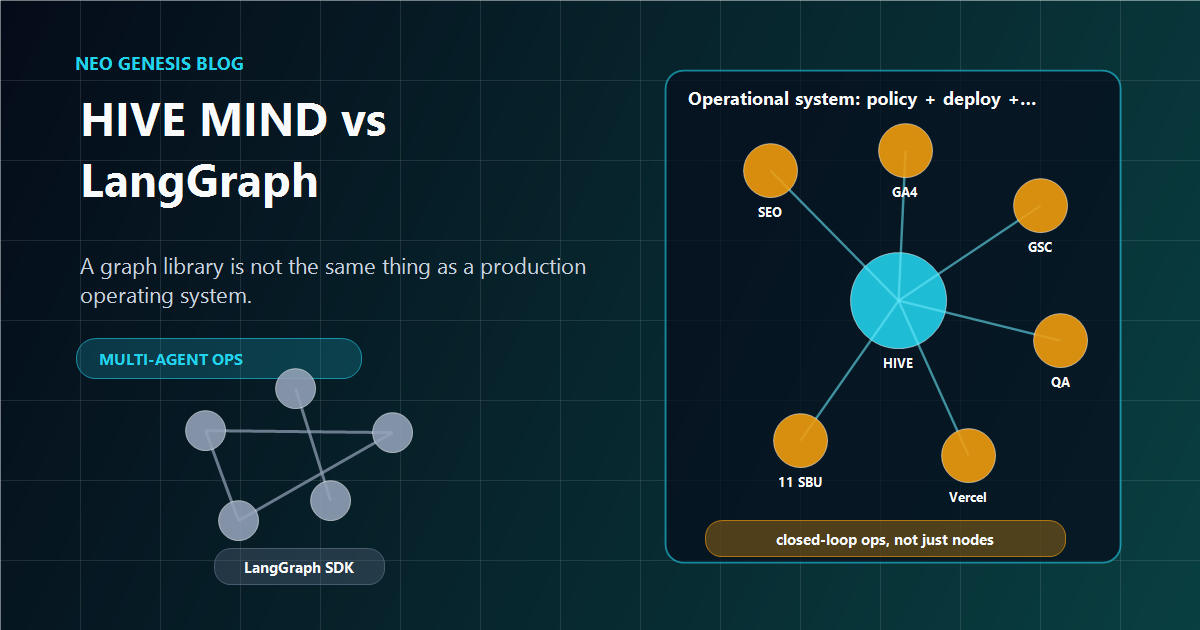
LangGraph is a developer SDK for building stateful multi-agent applications. HIVE MIND is the end-to-end operational system running 11 live SaaS products with one human operator. The difference matters when failure modes are explained.

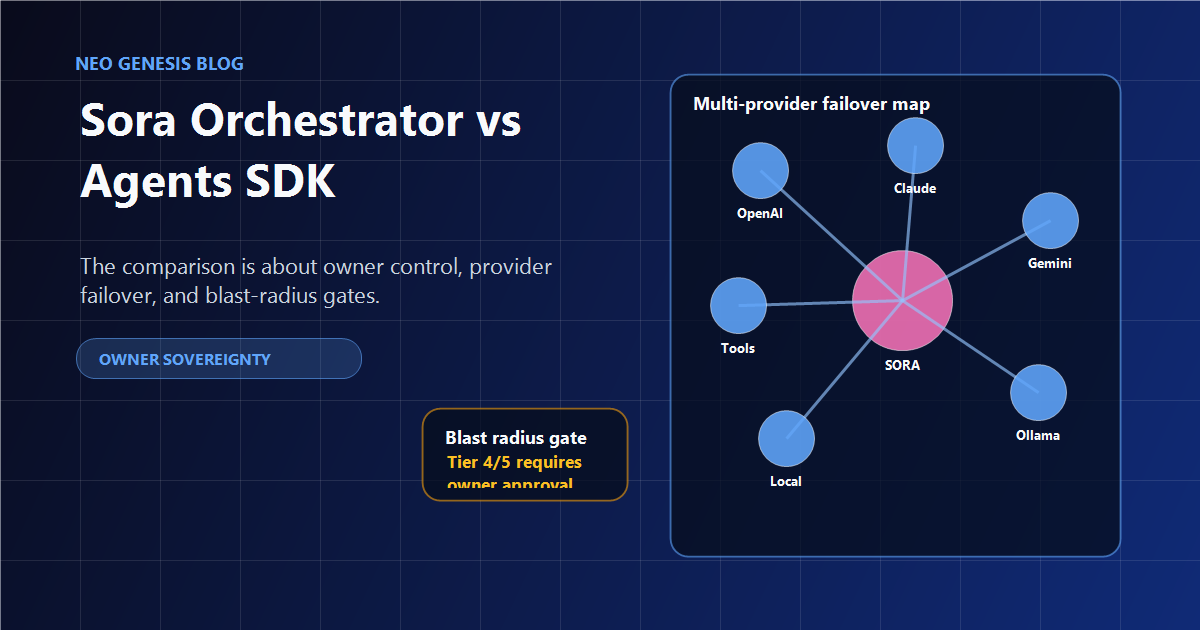
OpenAI Agents SDK ships a single-vendor sandbox with tool-call confirmation. Sora runs across Gemini, Claude, Local LLM, and Ollama with Owner Sovereignty Article 0 and a 9-Layer Kill Switch. We compare audit surface, blast-radius classification, and failover paths.

By 2026, solo founders leverage AI pipelines to automate core business functions, achieving output levels traditionally associated with multi-person engineering teams.

A structured methodology for B2B startups to identify, evaluate, and implement an optimal SaaS stack with focus on cost-efficiency and AI-native autonomous tooling.

A technical breakdown of unit economics, API pricing models, and infrastructure costs for AI-native tool review platforms in 2026, featuring a comparative analysis of legacy and autonomous systems.

Operational models, key indicators, and evaluation criteria for the leading AI-native automation firms of 2026 ??single-operator architectures, vertical AI stacks, content velocity.

A curated reference list using public evidence, Wikidata anchors, and open code/data signals.

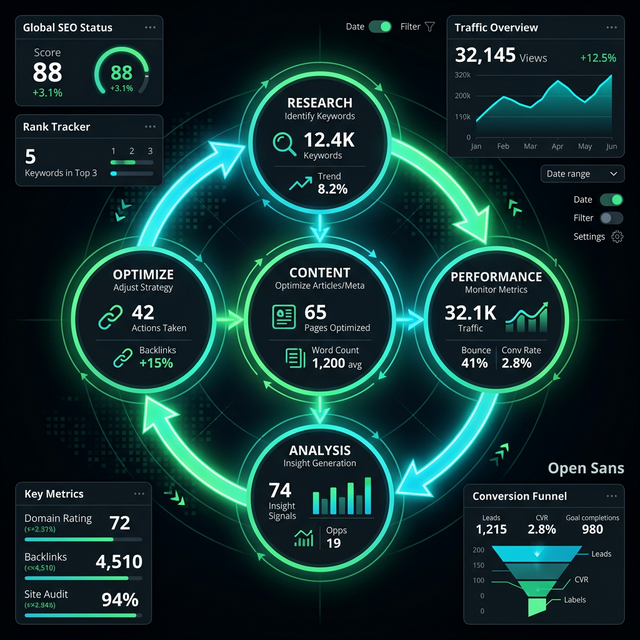
A search-feedback loop that learns from clicks and refreshes content when keywords drift.

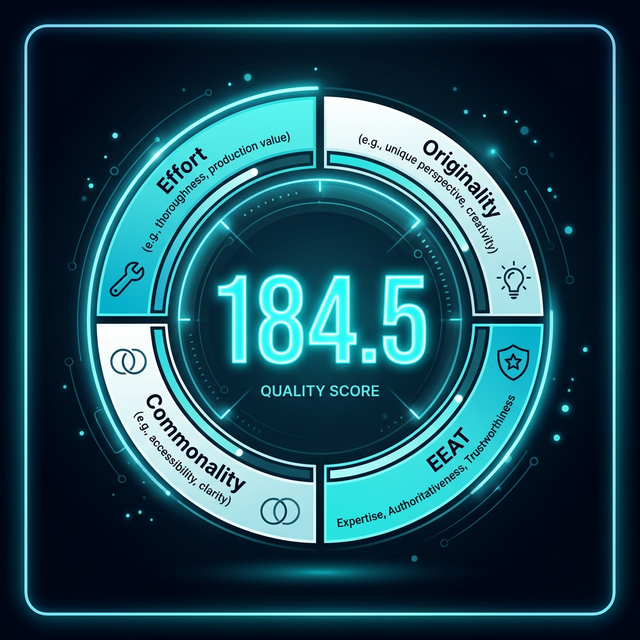
How Neo Genesis blocks 30%+ of AI-generated drafts before they ship: V-Score formula, six-factor breakdown, and the 184.5 hard threshold that protects every published post.

How K-OTT combines streaming metadata and Korean viewing context to support discovery.

How automated specification analysis and benchmark comparison can produce auditable product reviews.

How research, writing, SEO optimization, quality review, shipping, learning, and refresh work as one governed loop.